Jiu-Jitsu has a proprietary ranking system that is unique from other martial arts. Gracie Humaitá Willis follows guidelines set by the International Brazilian Jiu-Jitsu Federation (IBJJF). This is a universally recognized ranking system that constantly evolves based on the community of Jiu-Jitsu instructors, competitors and practitioners.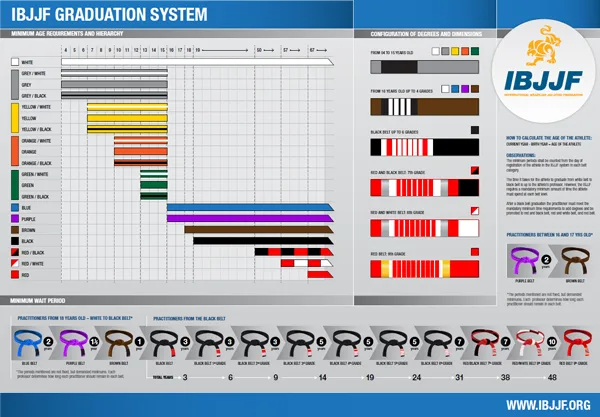
Children's Rank
One of the most unique features of our ranking system is that children have a completely different structure and completely different requirements. Children are promoted based on the IBJJF Monthly Graduation System as shown below.
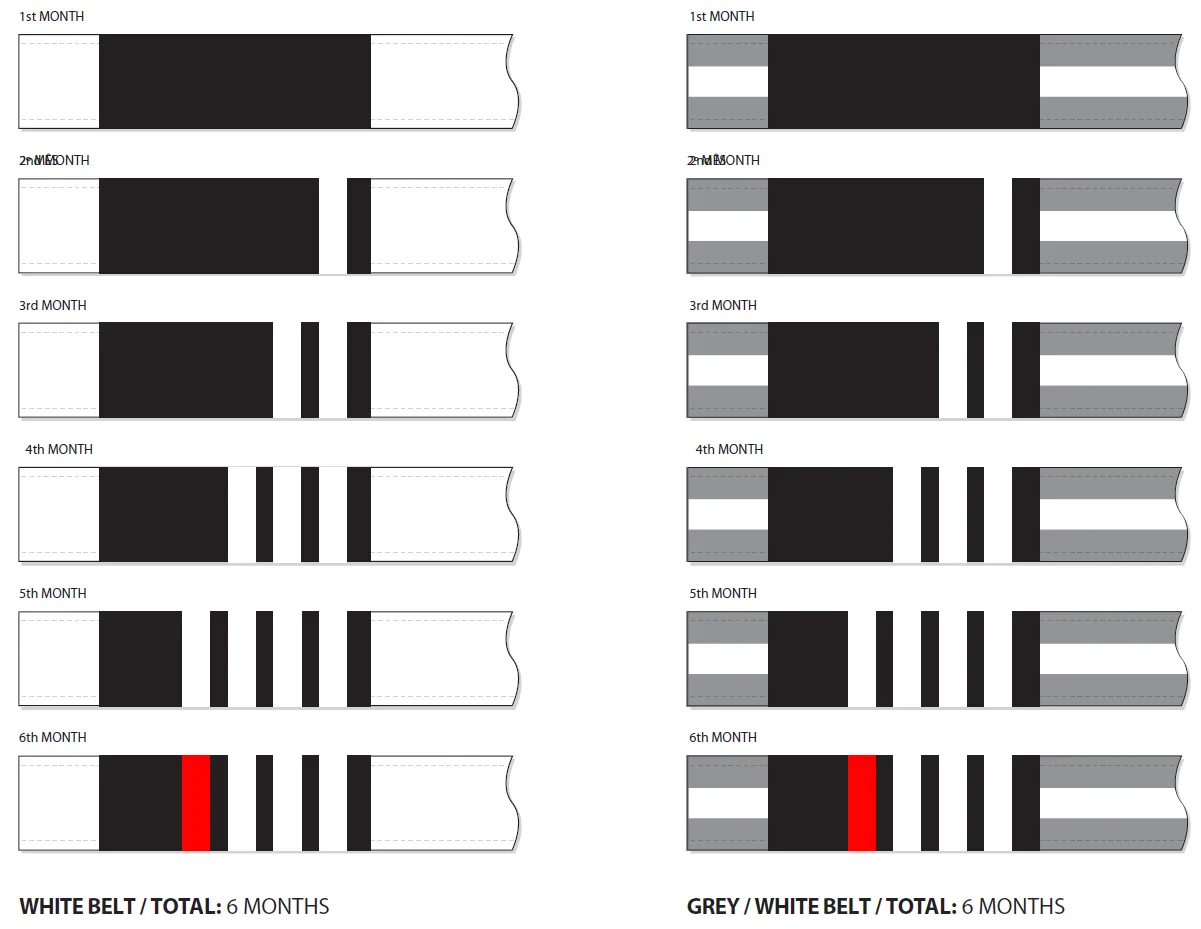
As you can see from the chart above, each belt takes a total of 6 months to complete. Stripes are awarded on a monthly basis, which is the equivalent to 14-16 classes at our academy. Attendance is a factor along with the child's regularity in training, their behavior on and off the mats, how well they perform as a teammate and their ability to demonstrate techniques that we show in class against a fully resisting opponent. Each belt also has specific requirements as detailed below.
Based on this system, it is expected that a child train consistently for a minimum of 6-7 years to achieve the highest rank of Green/Black Belt.
Children's White Belt

Minimum Age: 4 Years Old
Minimum Training: None
White Belt is the first belt that both children and adults start with. Children can expect to be at white belt for a minimum of 6 months. This is the belt where children will first learn the majority of fundamental jiu-jitsu and self-defense.
Children's Grey Group
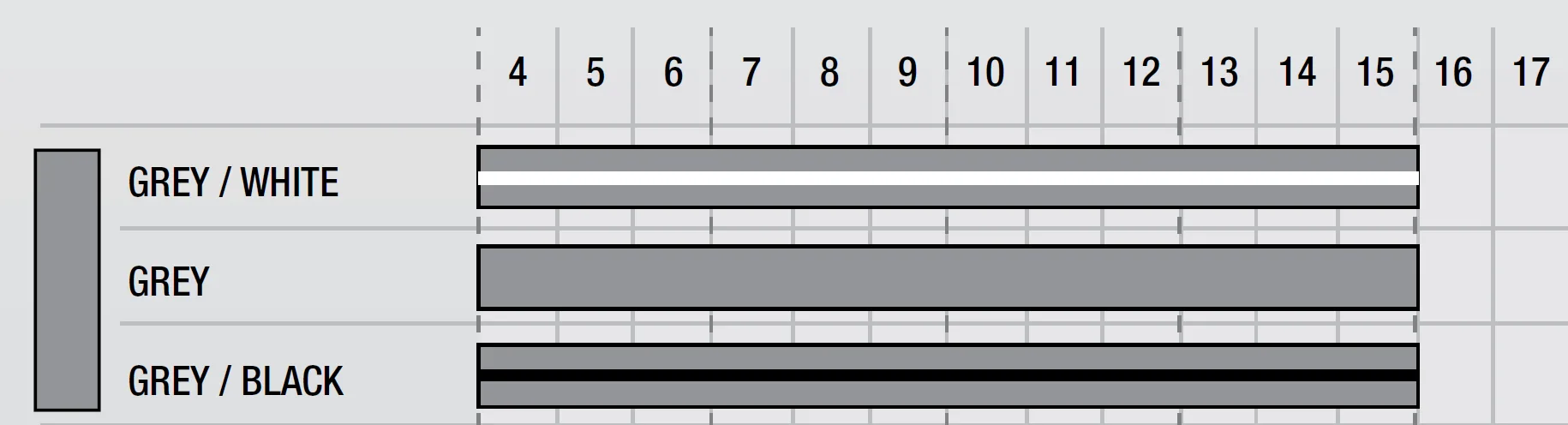
Minimum Age: 4 Years Old
Minimum Training: 6 Months
Grey Belt is a rank awarded to children only. Each belt in the Grey Group takes a minimum of six months to complete. Grey belts are expected to be able to tie their own belts, exhibit excellent classroom behavior and be proficient in the majority of solo and line drills. As a child progresses through the Grey Group they are also expected to develop a proficiency in fundamental jiu-jitsu before advancing to the Yellow Group.
Children's Yellow Group
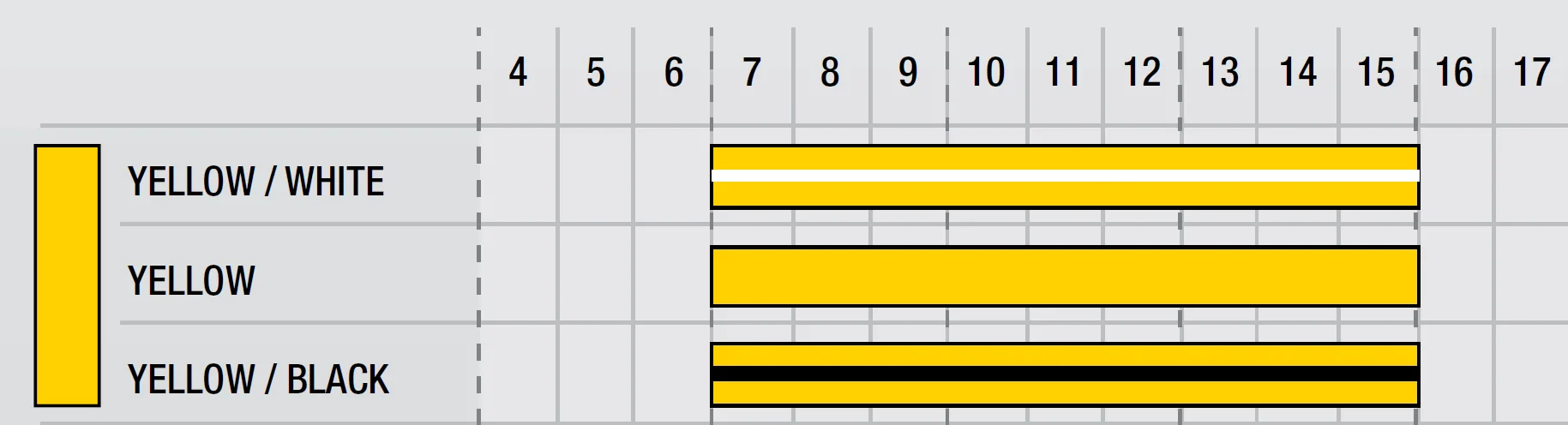
Minimum Age: 7 Years Old
Minimum Training: 2-3 Years
Yellow Belt is a rank awarded to children only. Each belt in the Yellow Group takes a minimum of six months to complete. Yellow belts are expected to exhibit excellent classroom behavior and be proficient in all of the solo and line drills. As a child progresses through the Yellow Group they are also expected to further develop a proficiency in fundamental jiu-jitsu before advancing to the Orange Group.
Children's Orange Group
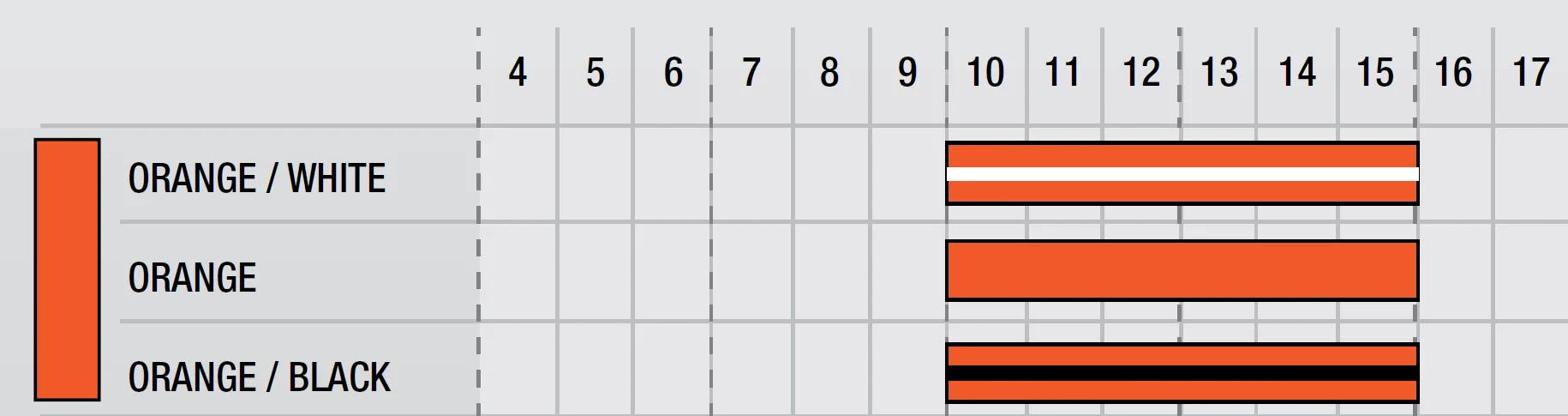
Minimum Age: 10 Years Old
Minimum Training: 4-5
Orange Belt is a rank awarded to children only. Each belt in the Orange Group takes a minimum of six months to complete. Once a child reaches the Orange Group they are expected to set an example for other students in both their behavior on and off the mats as well as in their jiu-jitsu. Orange belts should be able to demonstrate a high level of proficiency in their jiu-jitsu and begin to combine series of techniques from each fundamental position before advancing to the Green Group.
Children's Green Group
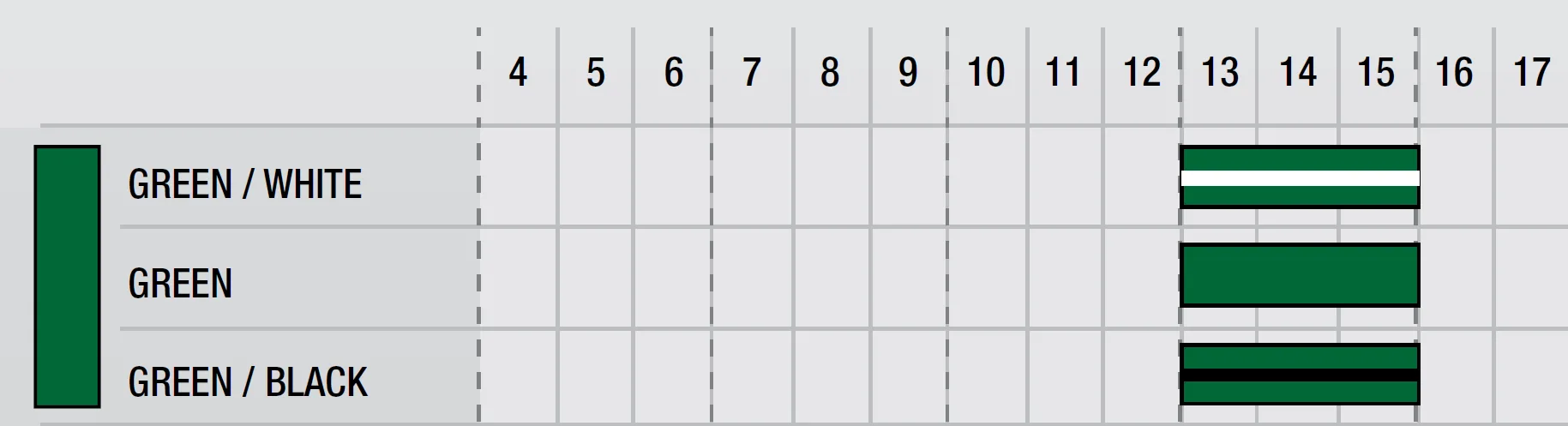
Minimum Age: 13 Years Old
Minimum Training: 5-6
Green Belt is a rank awarded to children only. Each belt in the Green Group takes a minimum of six months to complete. The Green Group is the highest rank that children are eligible to receive. Green Belts should exhibit leadership within the children's program in both their behavior and their proficiency in jiu-jitsu. Once a child turns 16 they are then eligible for a Juvenile Blue Belt.
Adult Rank
Rank for adult students differs from children in several meaningful ways. First, adults have a different belt system as described below. Next, adults are only eligible for promotion 2-3 times per year. These promotions normally take place at a seminar with one of the professors and/or masters within our lineage, however students are not required to be present at these seminars in order to be promoted.
Adults may also earn up to four stripes on their color belts (white, blue, purple, brown) as an indication that the student is progressing towards the next rank. Once a student reaches black belt, they will begin to earn degrees on their belt which differs from the color belts. Degrees on a black belt indicates the time that student and/or instructor/professor has spent as a black belt as described below.
Adult students are evaluated based on their regularity in training as well as their proficiency in fundamental jiu-jitsu and the Gracie Jiu-Jitsu Self Defense curriculum. Students ultimately earn rank by demonstrating their ability to execute jiu-jitsu techniques against a fully resisting opponent. Each belt color also has it's own unique standards that must be met. See below:
White Belt
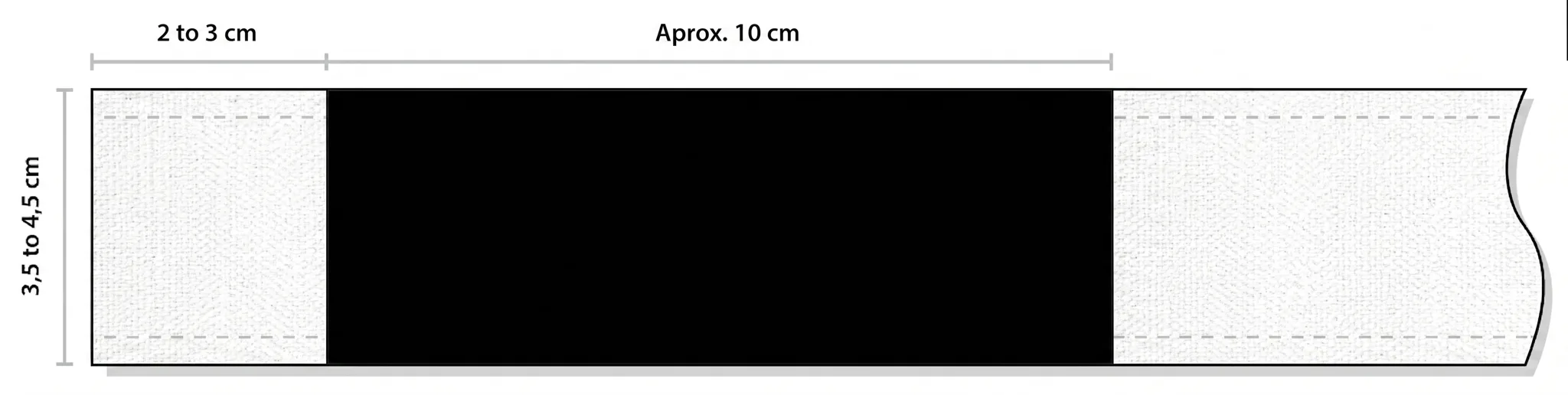
Minimum Age: 16 Years Old
Minimum Training: None
Both children and adults begin with the white belt. Most adults will spend 18 months to 2 years at white belt and during this time they will learn the majority of fundamental jiu-jitsu and self-defense techniques.
White belts are expected to become proficient in the majority of solo and line drills and should be able to execute an "A","B", and "C" technique from each position before being promoted to Blue Belt. As an example, a white belt should have an "A","B", and "C" sweep when they have an opponent in their guard and an "A","B", and "C" submission. This should be true for all phases and positions when training with an opponent. This includes, throws/takedowns, passing, sweeps, submissions, and escapes/reversals.
Blue Belt
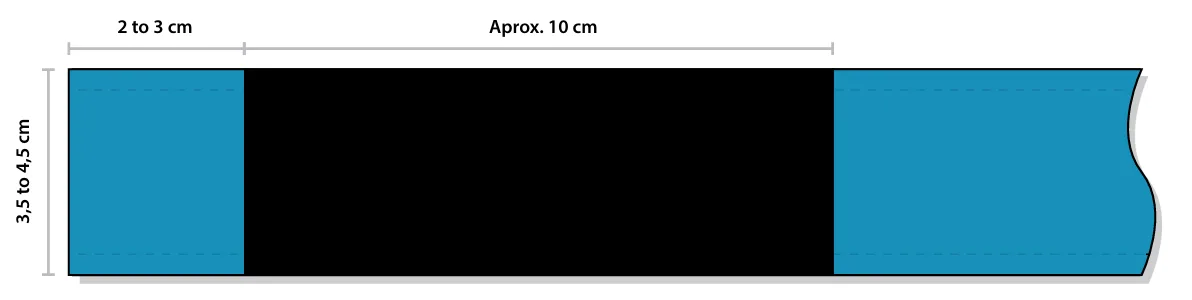
Minimum Age: 16 Years Old
Minimum Training: 18 Months
Blue Belts should be students with a minimum of 18 months to 2 years of consistent training and should meet all of the requirements as described above. In many cases, blue belts are the equivalent of Black Belts in other martial arts in the sense that they are certified in the basics of the art.
Higher level blue belts are able to begin assisting with classes and may be given the title of "Assistant Instructor" and are referred to as "Coach".
During their time at blue belt, students should become increasingly proficient in all of the solo and line drills and should further improve on their fundamental jiu-jitsu techniques. Eventually, blue belts should be able to display a black belt level of proficiency in one phase of jiu-jitsu (throws/takedowns, passing, sweeps, submissions, and escapes/reversals) before advancing to purple belt.
*PLEASE NOTE: The IBJJF requires that adult and juvenile students are to spend a minimum of TWO YEARS at blue belt before advancing to purple belt as shown in the chart above.
Purple Belt
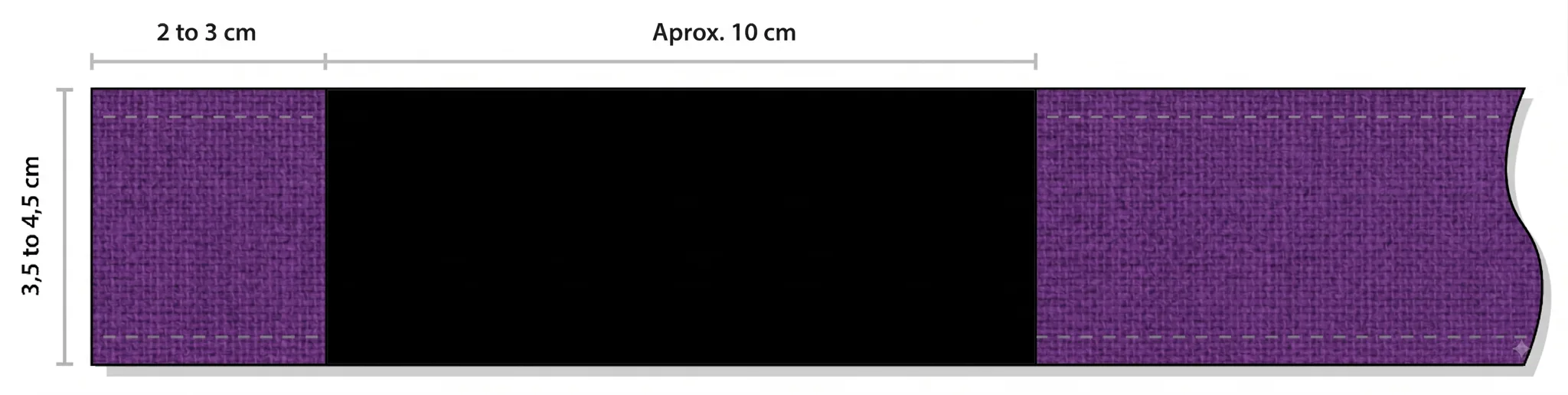
Minimum Age: 16 Years Old
Minimum Training: 4-6 Years
Purple Belts should be students with a minimum of 4 to 6 years of consistent training and should meet all of the requirements as described above.
Purple belts are often able to teach classes and may be given the title of "Instructor" and are referred to as "Coach".
During their time at purple belt, students should become extremely proficient in all of the solo and line drills and should further improve on their fundamental jiu-jitsu techniques. Purple belts should be able to smoothly transition from one series of techniques to another series and should display expert level proficiency before advancing to brown belt.
*PLEASE NOTE: The IBJJF requires that JUVENILE students are to spend a minimum of TWO YEARS at purple belt before advancing to brown belt and ADULT students are to spend a minimum of 18 MONTHS at purple belt before advancing to brown belt as shown in the chart above.
Brown Belt
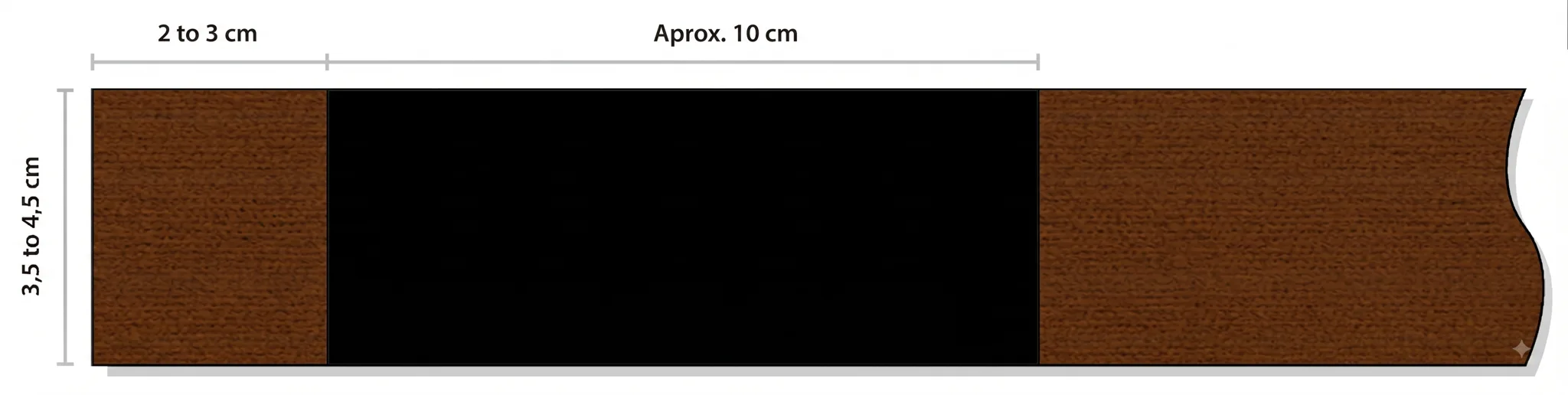
Minimum Age: 18 Years Old
Minimum Training: 6-7 Years
Brown Belts should be students with a minimum of 6 to 8 years of consistent training and should meet all of the requirements as described above.
Brown belts are able to teach classes and may be given the title of "Instructor" and are referred to as "Coach".
During their time at brown belt, students should focus on perfecting all phases of their jiu-jitsu (throws/takedowns, passing, sweeps, submissions, and escapes/reversals) and should revisit any areas of concern from their time at the lower ranks before advancing to black belt. Many brown belts also take on a significant leadership role in their academy.
*PLEASE NOTE: The IBJJF requires that ADULT students are to spend a minimum of 1 year at brown belt before advancing to black belt as shown in the chart above..
Black Belt
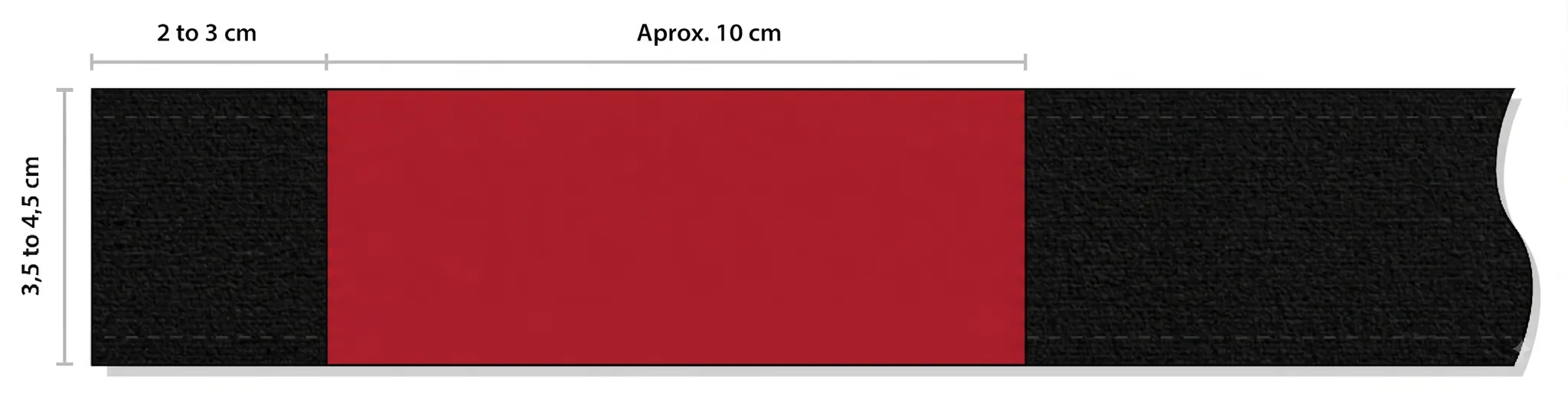
Minimum Age: 19 Years Old
Minimum Training: 8-10 Years
The rank of black belt in jiu-jitsu is an expert level certification. Black belt practitioners must have a minimum of 8 to 10 years of consistent training and should meet all of the requirements as described above.
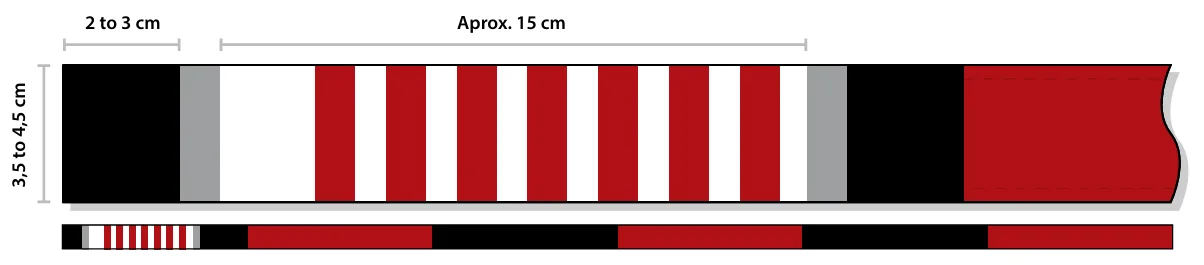
Black belts are able to teach classes and may be given the title of "Instructor" and are referred to as "Coach". Black belt instructors have a red rank sleeve on their belts whereas black belt competitors and non-instructors will typically have a white rank sleeve.
Upon reaching black belt, degrees are awarded based on the amount of time the individual trains and/or teaches as outlined below.
Black Belt Professor - 1 Year
Black Belt 1st Grade - 3 Years
Black Belt 2nd Grade - 3 Years (6 Total)
Black Belt 3rd Grade - 3 Years (9 Total)
Black Belt 4th Grade - 5 Years (14 Total)
Black Belt 5th Grade - 5 Years (19 Total)
Black Belt 6th Grade - 5 Years (24 Total)
Red/Black Belt 7th Grade - 7 Years (31 Total)
Red/White Belt 8th Grade - 7 Years (38 Total)
Red Belt 9th Grade - 10 Years (48 Total)
PLEASE NOTE: The 10th grade red belt is permanently reserved for the original pioneers of Brazilian Jiu-Jitsu which are listed below:
Hélio Gracie
Carlos Gracie
Oswaldo Gracie
George Gracie
Gastão Gracie
Luiz França
Oswaldo Fadda
Francisco Sá
Black Belt - Professor
Minimum Age: 20 Years Old
Minimum Training: 10+ Years
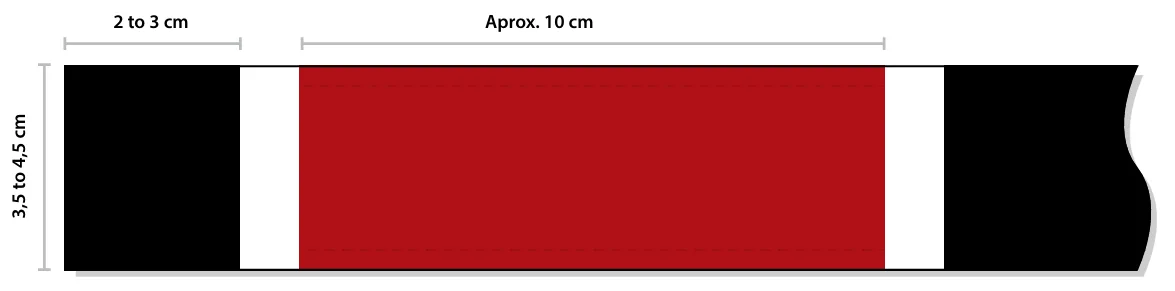
After one year as a black belt instructor, the rank and title of "Professor" is awarded. This is indicated by adding two "Professor Bars" on either side of the red rank sleeve as shown above. The instructor is then referred to as "Professor".
7th Grade Red/Black Belt
Minimum Age: 50 Years Old
Minimum Training: 40 Years
Upon reaching the 7th grade, practitioners are awarded a red/black belt which is often referred to as "coral belt" because it resembles a coral snake. 7th grade red/black belts are also awarded the rank and title of "Master". Practitioners must be active as a black belt for 31 years before achieving this rank.
Notable practitioners to reach the rank of 7th grade red/black belt are:
Renzo Gracie
Wellington "Megaton" Dias
Paulo Brandao
8th Grade Red/White Belt

Minimum Age: 57 Years Old
Minimum Training: 47 Years
Upon reaching the 8th grade, practitioners are awarded a red/white which is often referred to as "coral belt" because it resembles a coral snake. 8th grade red/white belts are also awarded the rank and title of "Master". Practitioners must be active as a black belt for 38 years before achieving this rank.
Notable practitioners to reach the rank of 8th grade red/black belt are:
Royler Gracie
Rolker Gracie
Carlos Machado
Rigan Machado
Pedro Sauer
9th Grade Red Belt
Minimum Age: 50 Years Old
Minimum Training: 40 Years
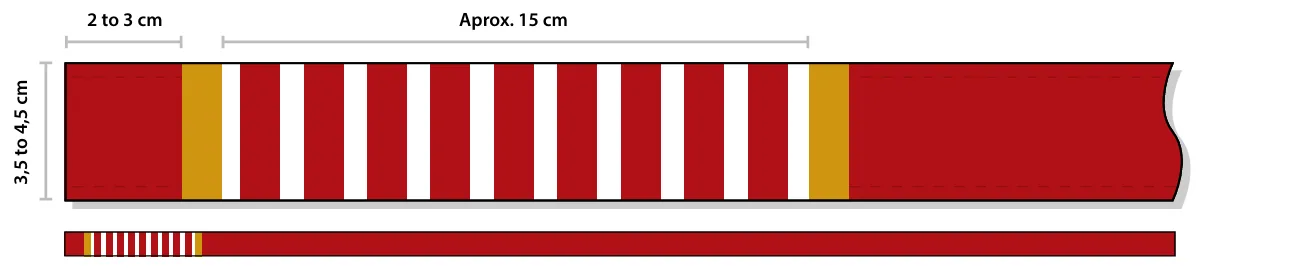
According to Renzo and Royler Gracie, in Brazilian jiu-jitsu the red belt is reserved "for those whose influence and fame takes them to the pinnacle of art". If a practitioner receives his or her black belt at 19 years old, the earliest they could expect to receive a ninth degree red belt would be at the age of 67. 9th grade red belts are also awarded the rank and title of "Grand Master". The highest ranking living practitioners are 9th degree red belts, as there are no living 10th degree red belts. 10th degree is permanently reserved for the original pioneers of Brazilian Jiu-Jitsu as described earlier.
Notable practitioners to reach the rank of 9th grade red belt are:
Hélio Gracie
Carlos Gracie
Oswaldo Gracie
George Gracie
Gastão Gracie
Luiz França
Oswaldo Fadda
Francisco Sá
Reylson Gracie
Geny Rebelo
Carlos Rosado
José Higino
Robson Gracie
Geraldo Flôres
Crézio Chavez
Helio Vigio
Paulo Mauricio Strauch
Nahum Rabay
Wilson Mattos
Deoclecio Paulo
Carley Gracie
Alvaro Barreto
Francisco Mansor
Reyson Gracie
Pedro Hemeterio
Relson Gracie
Joao Alberto Barreto
Flavio Behring
Oswaldo Paqueta
Osvaldo Alves
Armando Wridt
Carlson Gracie